The First Rest
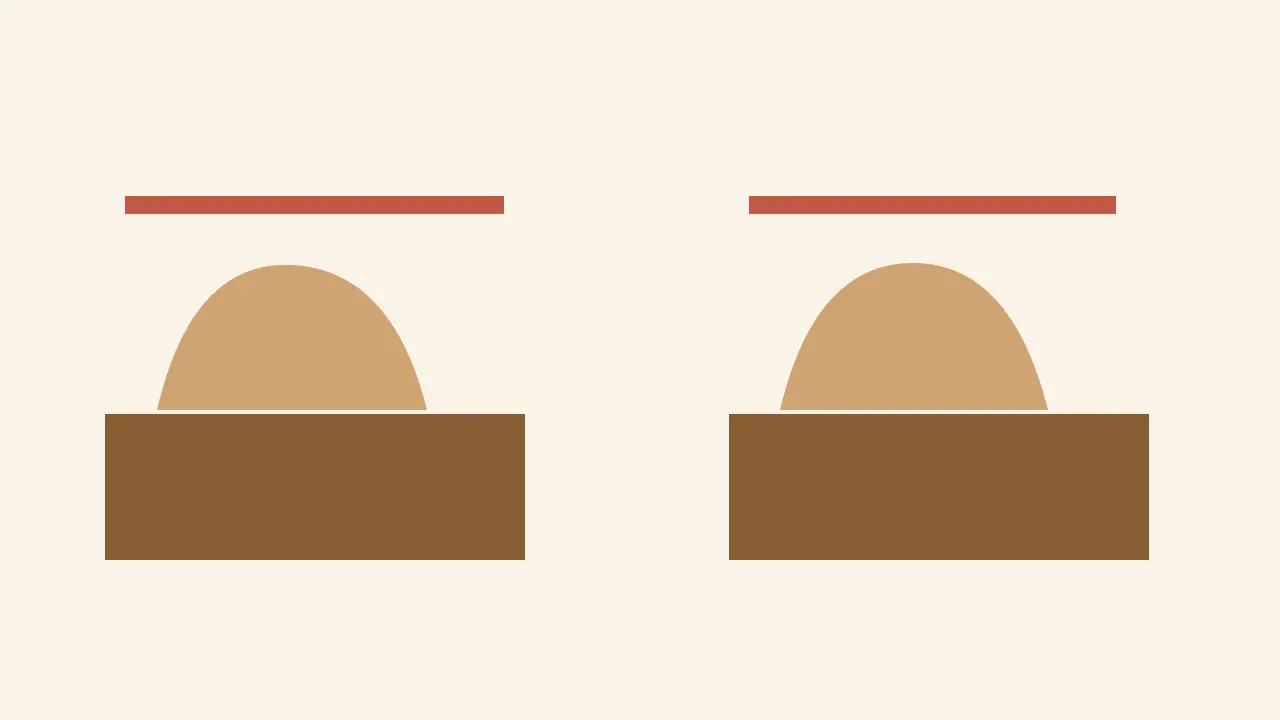
Our first dough rested on the bench beside the oven and immediately became ready while the baker shaped the next tray. The animation had the right order and the room still looked the same afterward. A person could move a batch at any moment without seeing why the board they used mattered. We separated the first rest from the oven turn and gave the baker another surface to work from.
Begin a batch while the board is still clear
The near board holds one light cloth and a small bowl. Start with enough dough for a short first tray. A baker can fold it into the next shape while the other side of the board remains empty. A second batch can rest near the window later. In the earlier arrangement both rested next to the heat. The two batches seemed to reach the same state together and there was no place to compare an earlier one with its neighbor.
The updated bench gives the new baker two separate rests. At the window the dough is a little cooler and can wait while the oven is in use. Beside the oven there is room for one tray to be shaped after it rests. A linen hem indicates which board already holds work. The baker can identify a free surface without bringing up an inventory in the middle of a motion.
Make a held moment readable
The first drawing placed a progress bar above the cloth. It was easy to notice and gave no idea where a person would look if they wanted to inspect the dough itself. We kept the bar as a short assist during the public oven demonstration, then gave the dough a visible change in the full scene. The upper shape settles, while the nearest edge pulls away from the folds in the cloth. The change is broad enough to see without examining the tray through a very tight view.
Some sound remains in the room while the first tray rests. A fan at the oven provides a steady setting. The baker hears a softer sound from the counter when they put a bowl down. Their next action can begin there before the first dough is ready. The space for that action stays visible throughout the rest, so the time can be used for something in the room.
Keep a second task inside the same morning
When the first tray goes into the oven, the baker can turn toward the glass. If the second batch is too close to the oven, it pushes a clean tray out onto the public counter. Leaving it by the cooler window keeps the approach to the rack open. A later visit to that board can compare whether the second batch is ready without interrupting the oven.
We test one pair of batches during a short morning. In one run both begin on the near board and the baker has to move something to make room. In another the second rests near the window. The oven can take only one tray in both versions. After the first baking period we check where a warm tray can go and what the baker still has space to do before the next one follows.
Find where the rest meets the cooling space
First Tray places the rest before the oven and gives every later transfer a visible destination. Cooling Room checks what happens as the first tray leaves the heat. The next design check asks a player to identify which batch is ready to move and describe where to set the other one instead. A useful rest gives the shop a chance to organise its time without treating the entire morning as a countdown.