First Tray
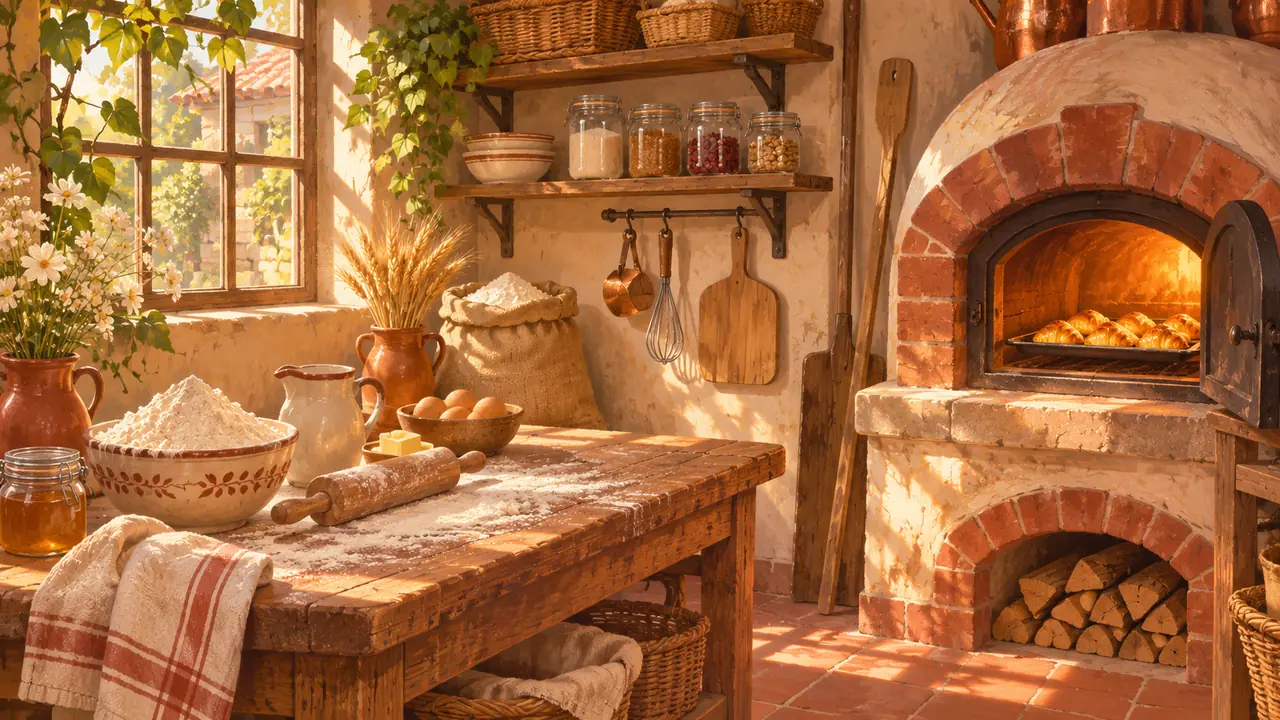
First Tray begins before sunrise behind the counter of a small corner shop. Dough is resting on a folded cloth. One set of buns can be shaped now. Another needs longer before it will hold a useful form. The baker can afford a little time before opening the door, but a finished tray still needs room to cool. The first exercise asks how to bring out a batch without filling every work surface at once.
Divide the work between two boards
The short loop is to inspect the dough, prepare one tray, wait for its timing, and carry it to a shelf that is free enough to receive it. A board near the window is cooler than the one beside the oven. Choosing where a second batch rests can change which one is ready when the first comes out. The baker can check both while the oven door is closed.
In the first layout the counter had room for every tray. That made it possible to transfer a batch before checking whether it was ready to be served. The current design reserves a narrow cooling spot and keeps a waiting area on the other side. Moving a hot tray into that spot can free the oven while leaving the front glass empty for a moment. A reader can see where it is heading before the next order comes in.
Read the pastry before relying on the timer
Warm window light sits on flour and a worn wooden board. The first browned edge is visible along the nearest row. We keep the shade light enough to see a change inside the oven before a pastry is fully baked. An ordinary timer indicates the initial wait. A small visual difference in surface displays which tray has already rested outside after being taken out.
Sound gives the room its own pace. The soft oven fan continues after an earlier timer finishes. The workbench makes a quiet sound when a tray is set down, and the glass has a small rattle when the warm shelf is opened. Each state also has a visual label or surface that the baker can recognize when sound is disabled.
Leave a space for what comes later
The first morning can end with a useful partial display. A late roll can fill the shelf that has stayed clear. A visitor may choose one of the pastries on the near side before the rest are finished. The prototype lets the baker remember which batch is resting and which one is next without having to reopen the oven for an update. Keeping a clear shelf is one tool for planning the next load.
First Tray is in prototype development. The current scene follows a dough rest, one oven turn and a single cooling rack. Read The First Rest for the place where dough waits and Cooling Room for the rack behind the glass. The warm shelf places both choices beside the other bakery concept.
A clear working surface stays useful after the first order leaves the case.