A Stool by the Window
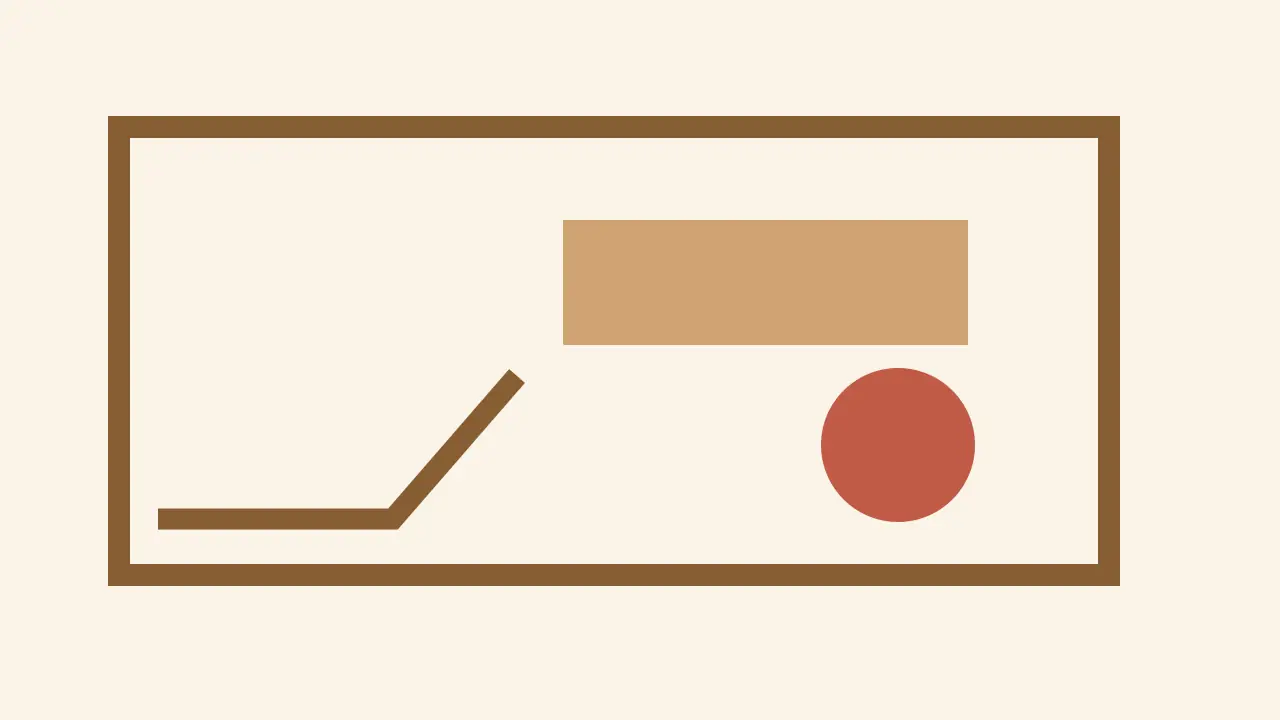
The window stool was one of the first props in the bakery. It leaned against the glazing and left a comfortable place to put a basket. The front door was shown open in that view, and the baker rarely had to pass the stool carrying anything wide. When a visitor sat there during a more complete sequence, it was clear that the old position took too much room from the service path.
Walk the short turn just inside the door
The baker can open the door to welcome a familiar visitor. The window and the low front shelf occupy two different sides of the turn. In the first arrangement the seat occupied the narrow patch between them. A seated person could look down the street, but somebody trying to reach the service counter needed to turn within the space where their feet would rest.
The updated plan keeps the stool near the window and moves it to the other side of the shallow shelf. Its front leg now sits on a different board. The visitor can watch the same piece of street. The service route to the glass remains a clear strip between the seat and the door. A baker can compare the two positions by walking the same short route while the other furniture stays in place.
Make the visitor’s place part of the scene
One version used a simple prompt as soon as the regular reached the bakery. There was no physical difference between a quick visit and a person staying a minute. We gave the character a place near the window that can be used while the baker takes a short task. If the seat is free, they can put down a bag and wait. If it is not, they can still pick up an order and return another day.
The window frame gives the visitor a quiet background. We avoid a strong lamp in the middle of the route so a player can see the stool and the glass together. When the baker moves the stool, its position remains visible from the counter. The action doesn’t have to open a conversation panel until somebody has reached a place where the conversation can happen.
Check the seat during another service task
We test the scene with a cooling tray that has to come from the work area. A visitor can already be sitting when the baker reaches the front passage. With the chair too close to the door, the first tray has to be moved around two corners. Across the low shelf, the baker can place it in the case without moving another object. The visitor still has a quiet side of the shop where they can stay for a little longer.
The test also works in reverse. Ask a visitor to stand while somebody else wants to enter. Both paths should remain legible. The small bag sits by the chair rather than following the visitor into the working passage. This lets the baker pay attention to the next order without changing the earlier attempt to keep a seat open.
Retain the reason to use the space
The Window Seat tests which tasks can fit around an incoming visit. Before the Next Order describes how to leave the visit open while the baker returns to a tray. We keep the original stool as a useful part of the window rather than drawing an entirely new seating area. It lets a designer see how moving one object can change the order of a person’s morning without changing why they came to the bakery.
The original view from the seat remains visible after the placement changes.